How Moles Destroy Lawns, Roots, and Irrigation Systems
People searching for yard mole removal are typically looking to protect their lawns, roots, and irrigation systems from damage, and local contractors can provide effective mole control solutions.
Property owners in the area who notice unusual mounds, tunnels, or damaged turf may be concerned about how moles are impacting their lawns, roots, and irrigation systems. These small creatures can cause significant disruption beneath the surface, leading to uneven ground, compromised plant health, and even damage to underground irrigation lines. Understanding how moles destroy lawns and other landscape features is essential for maintaining a healthy, attractive outdoor space, especially for those who value their yard’s appearance and functionality.
Fortunately, local contractors specializing in yard mole removal offer practical solutions to address these issues. They can assess the extent of damage caused by moles, implement effective removal strategies, and help restore the integrity of lawns, roots, and irrigation systems. Exploring this topic further can provide property owners with the knowledge needed to protect their outdoor environments and connect with experienced service providers capable of resolving mole-related problems efficiently.
- Mole Damage Repair - homeowners noticing irregular holes or mounded soil may seek local pros to assess and repair damage caused by moles destroying lawns, roots, and irrigation systems.
- Lawn Restoration - when moles create tunnels that disrupt grass health, local contractors can restore and replant affected areas to improve lawn appearance and function.
- Root and Irrigation System Protection - signs of compromised roots or irrigation lines may lead property owners to consult local service providers for mole removal and system safeguarding.
- Soil Aeration and Leveling - extensive mole activity can cause uneven ground; local pros can perform soil aeration and leveling to stabilize the landscape.
- Pest and Mole Control - persistent issues with moles damaging the landscape prompt homeowners to seek expert mole control services from local contractors to prevent further destruction.
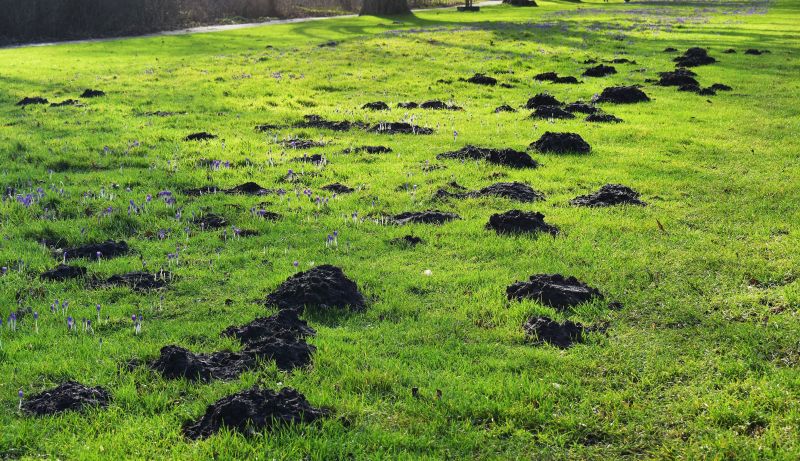
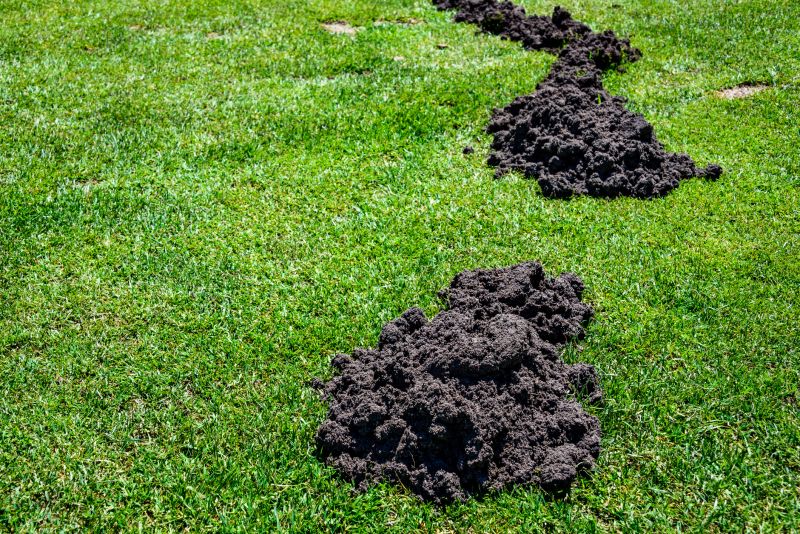
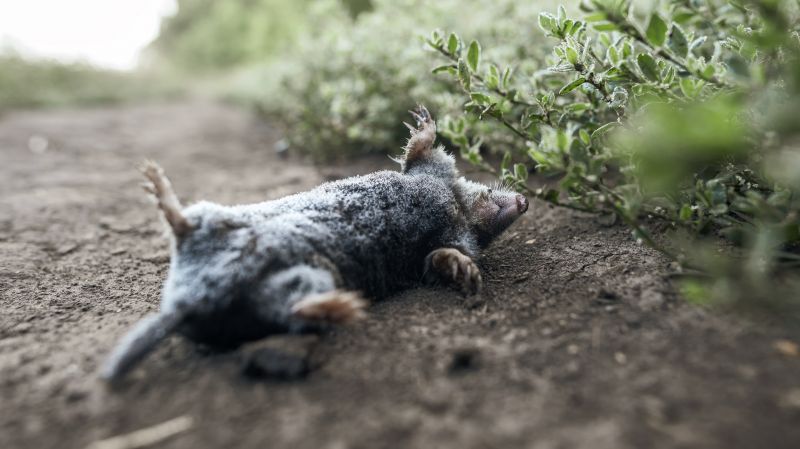
When homeowners search for information on how moles destroy lawns, roots, and irrigation systems, they are typically trying to understand the damage caused by these burrowing pests and how it impacts their property. Moles create extensive underground tunnels that can disrupt the surface of a lawn, leading to uneven patches, unsightly mounds, and loose soil that makes maintenance difficult. Many people are concerned about the health of their grass and plants, especially when visible signs of mole activity appear. Understanding the connection between mole activity and damage helps homeowners identify the problem early and consider appropriate solutions to protect their yard.
This topic often relates to property maintenance plans and pest control strategies, especially for those who want to preserve the integrity of their landscape. Moles are known for their ability to undermine the soil, which can weaken the roots of grass and plants. Additionally, their tunneling can interfere with underground irrigation systems, causing leaks, misdirected water, or system failures. Homeowners dealing with these issues may look into mole removal services as part of a broader effort to maintain a healthy, attractive yard. Addressing mole activity early can prevent more serious problems, such as damaged sprinkler lines or compromised plant roots, which could require costly repairs later.
Properties most affected by moles tend to be residential lawns, golf courses, sports fields, and large landscaped gardens. These areas often feature soft, well-maintained turf that moles find inviting for tunneling. Lawns with loose, aerated soil or areas that have recently been disturbed are particularly vulnerable. Homes with extensive irrigation systems are also at risk, as mole tunnels can cause pipes to shift or break, leading to water waste and system malfunctions. Understanding the type of property and landscape conditions that attract moles can help homeowners recognize the need for professional mole removal services to prevent ongoing damage.
Local service providers specializing in yard mole removal play a crucial role in addressing these issues. They understand how moles destroy lawns, roots, and irrigation systems and are equipped to implement effective removal methods. These professionals can evaluate the extent of the mole activity and recommend targeted solutions to eliminate the pests safely and efficiently. Engaging with local contractors ensures that property owners receive tailored advice and treatment options that fit the specific needs of their landscape. Proper mole removal not only restores the appearance of the yard but also helps protect underlying structures and plant health from further damage.
Lawn Repair and Restoration - Professionals skilled in repairing damage caused by moles can help restore the integrity of affected lawns and prevent further destruction.
Irrigation System Installation and Maintenance - Service providers experienced in irrigation systems can repair or replace systems damaged by mole activity to ensure proper watering.
Root Zone Management - Experts who manage root health can address issues caused by moles tunneling around plant roots, helping to protect landscaping investments.
Pest and Wildlife Control - Local contractors specializing in pest control can implement mole deterrent strategies to reduce damage to lawns and underground systems.
Soil Aeration and Drainage Solutions - Professionals offering soil aeration can alleviate compaction caused by mole tunnels, promoting healthy root growth and system function.
Landscaping and Yard Maintenance - Yard care specialists can help repair and re-establish damaged turf and landscape features affected by mole activity.
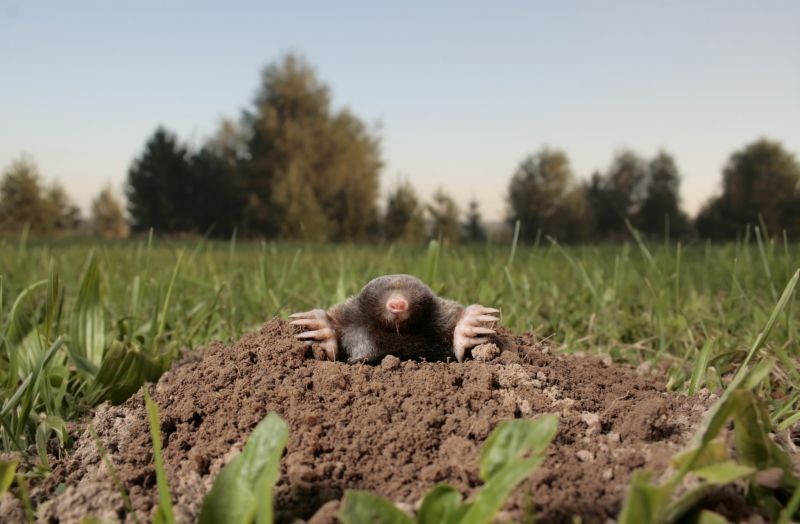
When evaluating service providers for yard mole removal, it is important to consider their experience with similar projects, particularly those involving the damage moles can cause to lawns, roots, and irrigation systems. A contractor with a proven track record in handling mole-related issues will have a better understanding of the most effective strategies to identify and eliminate these pests without causing additional harm to the landscape. Asking about previous work or seeking references can help ensure the contractor has successfully addressed issues comparable to the specific damage observed in the yard, providing confidence in their ability to handle the job efficiently.
Clear written expectations are essential when comparing local contractors for mole removal services. A professional should be able to outline the scope of work, methods to be used, and what the homeowner can expect regarding results. This clarity helps prevent misunderstandings and ensures that both parties are aligned on the process, especially when it comes to protecting existing lawn features, roots, and irrigation systems from further damage. Having a well-defined plan also makes it easier to evaluate whether the contractor’s approach is appropriate for the specific issues caused by moles.
Reputable references and effective communication are key indicators of a reliable service provider. Contractors who are willing to share references or examples of past projects demonstrate transparency and confidence in their work. Good communication throughout the process allows homeowners to ask questions, express concerns, and receive updates, which can be particularly helpful when addressing the complex damage moles cause to a lawn’s root systems and irrigation infrastructure. Choosing a local contractor with strong references and open communication can help ensure the mole removal process is handled professionally and with attention to the specific needs of the yard.
Property owners often search for how moles destroy lawns, roots, and irrigation systems when they are planning practical projects around their homes and businesses. Local pros provide Yard Mole Removal services for everyday jobs and straightforward project options.
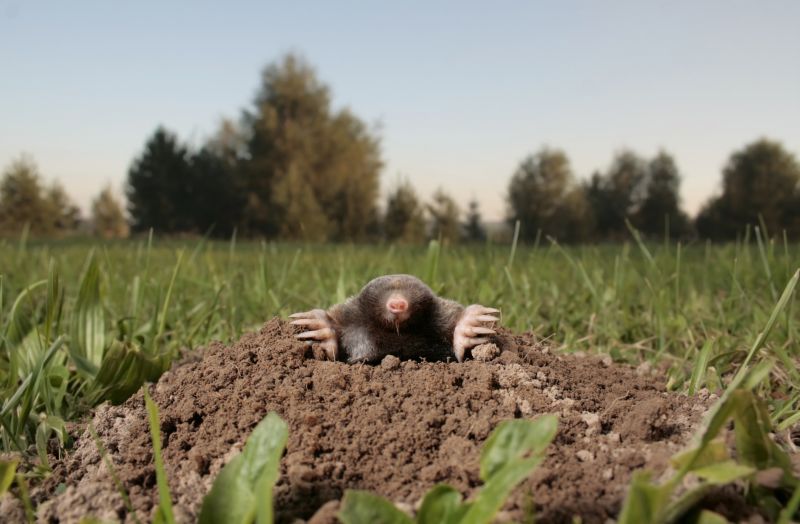
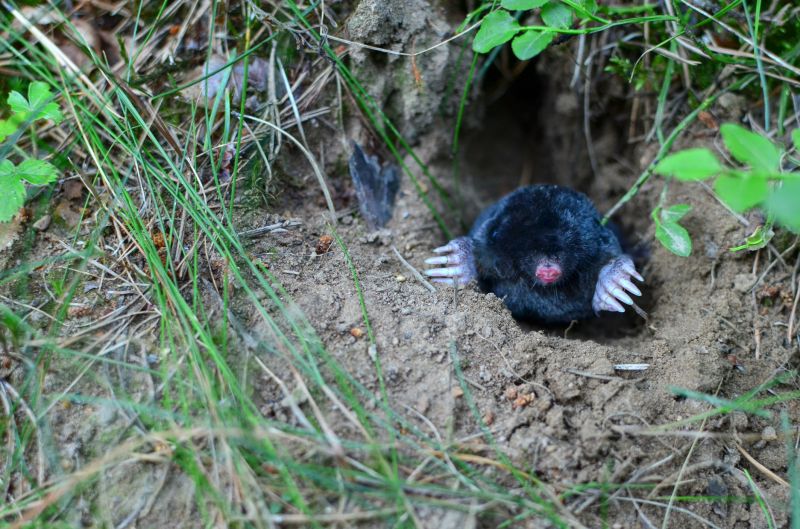
Moles can cause significant damage to lawns, roots, and irrigation systems, making it a common concern for property owners in the area. Their tunneling activity creates uneven ground, which can lead to unsightly molehills and compromised turf health. Over time, these tunnels can undermine the integrity of underground irrigation lines, resulting in leaks or system failures that disrupt watering schedules. Homeowners often look up this topic when noticing unusual mounds or soft spots on their lawns, and they may seek out yard mole removal services to address the problem before it worsens.
Local contractors specializing in mole removal can help protect a property’s landscape and infrastructure from ongoing damage. These service providers have experience in safely eliminating moles and repairing the harm caused by their tunneling. Whether the goal is to restore a smooth, healthy lawn or to safeguard irrigation systems from future issues, property owners can find skilled professionals who understand how moles destroy lawns, roots, and irrigation systems-and how to effectively resolve these issues.
How do moles damage lawns and irrigation systems? Moles tunnel through the soil, creating underground pathways that can disturb the roots of grass and plants, leading to uneven lawns. Their tunneling can also undermine irrigation lines, causing leaks or system failures.
Can mole activity destroy plant roots? Yes, moles can damage roots by disturbing the soil around them, which may weaken plants and cause them to die or become unhealthy over time.
What signs indicate moles are affecting my irrigation system? Signs include uneven watering, soggy patches, or visible mole tunnels near sprinkler lines, suggesting their activity may be interfering with the system.
How do local contractors remove moles and repair damage? Professional yard mole removal services typically use trapping or other humane methods to eliminate moles and then repair any damaged irrigation systems or lawn areas caused by tunneling.
Are mole removal services effective at preventing future damage? Yes, experienced service providers can implement control measures that reduce mole activity, helping to protect lawns, roots, and irrigation systems from ongoing harm.
Identify mole activity early - monitoring signs of mole tunnels can help property owners address damage from how moles destroy lawns, roots, and irrigation systems before it worsens.
Implement preventative barriers - installing underground barriers with the help of local contractors can reduce mole intrusion and protect landscaping features.
Schedule professional mole removal - hiring local pros to remove moles can minimize damage to roots and irrigation components caused by their burrowing habits.
Restore damaged areas - working with service providers to repair and reseed lawns after mole activity can help restore healthy, intact turf and prevent future issues.
If you are thinking about how moles destroy lawns, roots, and irrigation systems for a property, this guide is meant to help you understand this topic, the typical project types, and how different options might fit your plans.
When you are ready, you can use the quote form on this page to share a few details about your project. From there, local pros can review the basics and follow up with options that match what you have in mind.