What to Expect During Professional Wildlife Removal Service
People seeking wildlife removal typically want pests safely removed and excluded, and local contractors can handle the job efficiently and humanely.
If you’re considering professional wildlife removal services, understanding what to expect during the process can help ease any concerns. Property owners in the area often seek out these services to address unexpected visitors like raccoons, squirrels, or bats that may have taken up residence in attics, walls, or other hidden spaces. Knowing the typical steps involved can provide clarity on how local contractors handle wildlife intrusions, ensuring the safety and integrity of your property while resolving the issue efficiently. As you continue reading, you'll discover how these experts assess the situation, implement humane removal methods, and help prevent future encounters.
Many property owners find it helpful to learn about the typical procedures involved in wildlife removal, especially if they’re unfamiliar with how professionals approach such situations. Local service providers often begin with a thorough inspection to identify entry points and the extent of the activity. They then develop a plan tailored to the specific wildlife involved, which usually includes humane removal and sealing of access points to prevent re-entry. Understanding these steps can give confidence in the process and highlight the practical expertise that local contractors bring to wildlife-related challenges. Keep reading to learn more about what to expect and how these services can help protect your property.
- **Wildlife inspection services** - when homeowners notice signs of animal intrusion and need a thorough assessment, local contractors evaluate the extent of the problem.
- **Animal removal services** - in cases where wildlife has entered the property, local pros focus on humane removal methods to safely relocate the animals.
- **Exclusion and sealing services** - after animals are removed, local service providers seal entry points to prevent future intrusions during what to expect during professional wildlife removal service.
- **Habitat cleanup services** - when the removal process involves cleaning up droppings or debris, local contractors handle sanitization to restore safety and cleanliness.
- **Damage repair services** - if wildlife has caused structural damage, local pros provide repairs to restore the integrity of the property as part of the removal process.
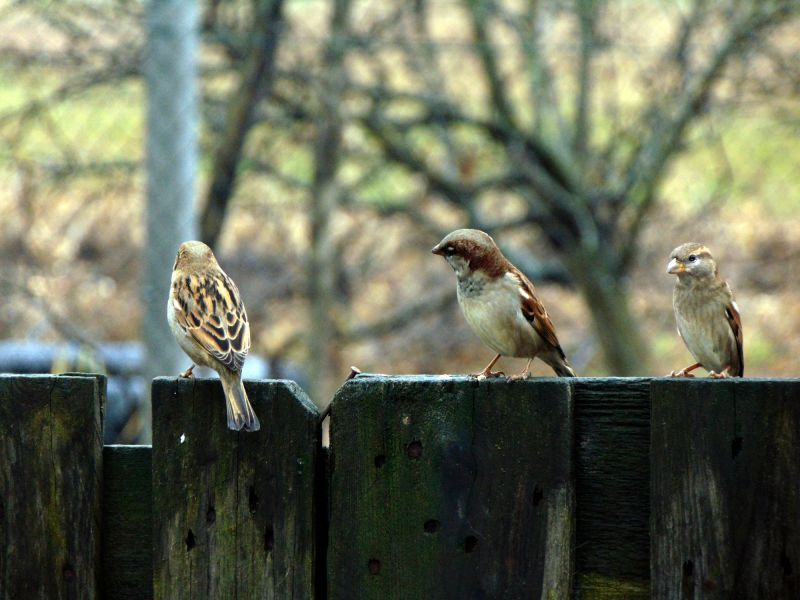
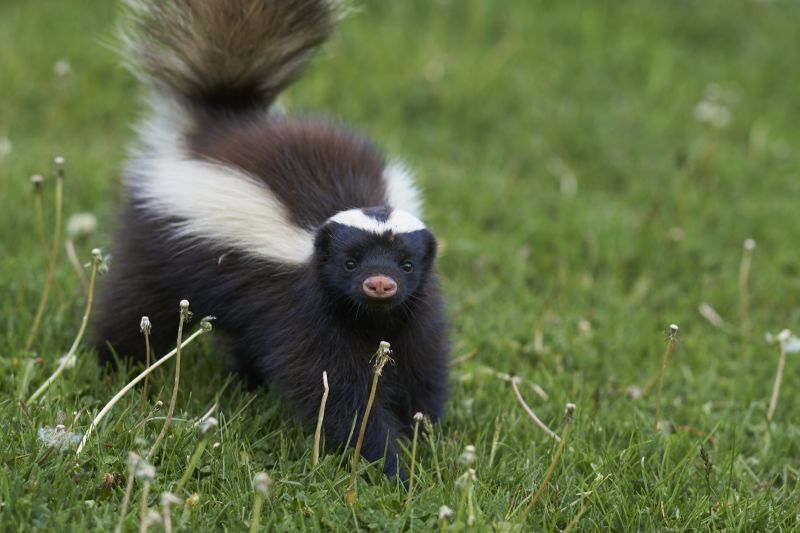
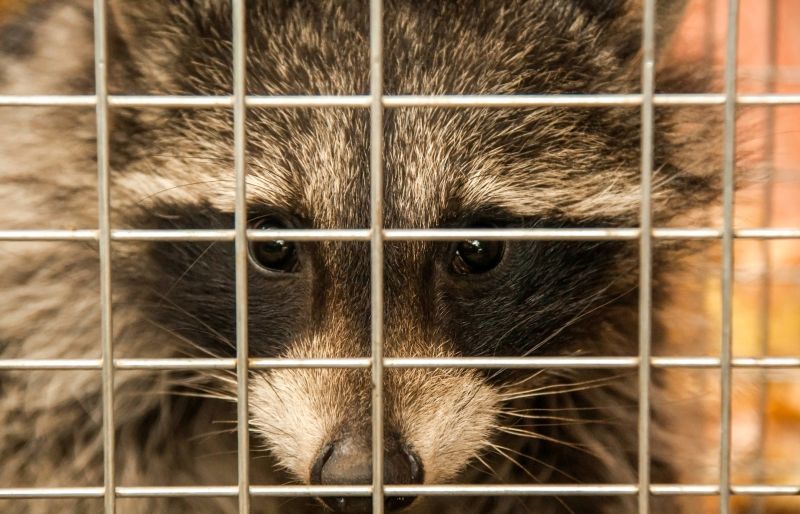
When searching for information about what to expect during professional wildlife removal service, homeowners often want to understand the general process involved in safely and effectively removing animals from their properties. Typically, this includes identifying the presence of wildlife such as raccoons, squirrels, bats, or birds that have taken up residence in or around a home. People are usually concerned about the methods used to remove these animals, the extent of the work required, and how the professionals handle situations where animals have caused damage or left droppings. Knowing what steps are involved helps homeowners feel more prepared and reassures them that experienced service providers will handle their specific wildlife issues responsibly.
Wildlife removal services often relate to a variety of problems and plans homeowners may have. These include animals gaining access through vents, chimneys, or gaps in the roofline, as well as situations where animals have nested in attics, crawl spaces, or wall cavities. Many property owners seek removal services when they notice sounds of activity at night, droppings, or damage to insulation and wiring. The plans usually involve not only removing the animals but also sealing entry points to prevent future invasions and cleaning up any mess left behind. Local service providers are equipped to handle these issues efficiently, providing a comprehensive approach that addresses both the immediate animal problem and the long-term prevention.
Properties that typically come up during professional wildlife removal services are often residential homes, especially those with attics, basements, or exterior structures that provide easy access for animals. However, other types of properties such as barns, sheds, garages, and commercial buildings can also be involved. Homes with large trees nearby or those located in wooded or rural areas are more prone to wildlife encounters, making professional removal a common solution. These properties tend to require tailored approaches based on their construction and the specific wildlife challenges they face. Local service providers understand how different property features influence wildlife activity and can adapt their strategies accordingly.
Understanding what to expect during professional wildlife removal service helps homeowners anticipate the scope of work involved. Typically, the process begins with an inspection to identify the animals and their entry points. Next, the removal phase involves humane trapping or exclusion techniques, followed by sealing off access points to prevent re-entry. Cleanup and sanitation are often part of the service, especially if droppings or nesting materials are present. Throughout the process, local contractors focus on minimizing disruption and ensuring that the property is secure once the job is complete. This practical approach helps homeowners see how experienced wildlife removal providers manage their projects, making the entire experience clearer and more manageable.
Attic Insulation Removal - local contractors often handle insulation removal when wildlife has contaminated or damaged it, which is a common part of the wildlife removal process.
Exclusion and Sealant Projects - professionals perform sealing and exclusion work to prevent animals from re-entering structures, a key step in wildlife control efforts.
Rodent Proofing Services - these projects involve identifying entry points and installing barriers, paralleling wildlife removal techniques for larger animals.
Bird Control and Deterrent Installations - local service providers install deterrents and nest removal solutions, similar to wildlife exclusion work.
Pest and Animal Damage Repairs - contractors repair structural damage caused by wildlife, which often follows the removal process.
Wildlife Habitat Modification - professionals modify outdoor environments to make them less attractive to animals, complementing wildlife removal strategies.
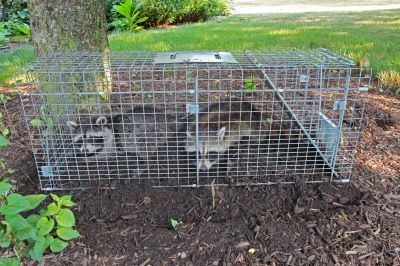
When comparing wildlife removal service providers, it is important for homeowners to consider their experience with similar projects. A reputable local contractor will have a history of handling wildlife issues comparable to the current situation, which can provide insight into their familiarity with common challenges and effective solutions. Homeowners should inquire about the types of wildlife they have successfully managed and whether they have encountered situations similar to their own, as this can help gauge their ability to address specific concerns safely and efficiently.
Clear written expectations are essential when choosing a wildlife removal service. A trustworthy local contractor will provide detailed documentation outlining the scope of work, the methods to be used, and any follow-up procedures. This transparency ensures that homeowners understand what services will be performed and can avoid misunderstandings. Well-documented expectations also serve as a reference point throughout the project, helping to ensure that both parties are aligned on the process and outcomes.
Reputable references and good communication are key factors to consider during the selection process. Service providers with positive references from previous clients can offer reassurance of their professionalism and reliability. Additionally, clear and prompt communication from the contractor can help homeowners feel confident about the process, allowing them to ask questions and receive updates throughout the project. Choosing a local contractor who demonstrates transparency and responsiveness can contribute to a smoother experience during what to expect during professional wildlife removal service.
Property owners often search for what to expect during professional wildlife removal service when they are planning practical projects around their homes and businesses. Local pros provide Wildlife Removal services for everyday jobs and straightforward project options.
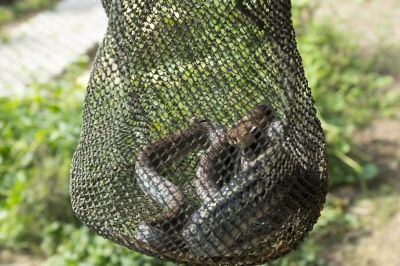
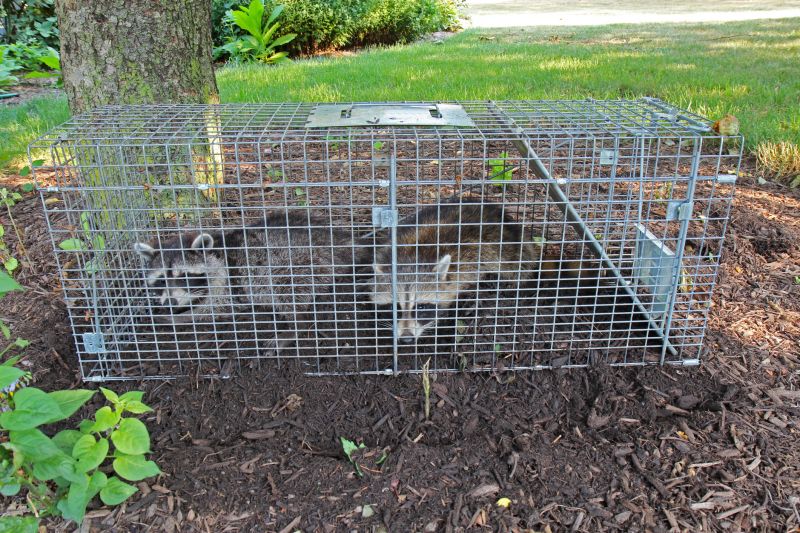
During professional wildlife removal service, property owners can expect a thorough inspection of their property to identify signs of animal activity and entry points. Local contractors typically assess areas such as attics, garages, and crawl spaces to determine the extent of the wildlife presence. Once the inspection is complete, they often implement humane removal methods tailored to the specific species involved, ensuring that animals are safely and effectively relocated. Property owners should be prepared for some disturbance during this process, as professionals may need to access difficult or hidden areas to fully address the problem.
Understanding what to expect during professional wildlife removal service can help property owners feel more at ease with the process. Service providers usually take steps to seal entry points and prevent future invasions after the animals have been removed. They may also provide guidance on how to make the property less attractive to wildlife in the future. While the scope of work can vary depending on the situation, most local contractors aim to resolve the issue efficiently, leaving the property safer and animal-free.
What should I expect during professional wildlife removal service? During the service, local contractors typically assess the affected area, identify entry points, and develop a plan to safely remove the wildlife. They may set traps or use humane exclusion methods to encourage animals to leave your property. The process often includes inspecting for damage and sealing entry points to prevent future issues.
Will the wildlife removal process be disruptive or noisy? Some disturbance is possible during wildlife removal, especially if traps or exclusion devices are used. However, professional service providers aim to minimize disruption by working efficiently and using techniques that reduce noise and disturbance to your property and household.
What kinds of wildlife are usually handled during these services? Local pros commonly handle animals such as raccoons, squirrels, bats, birds, and skunks. The specific approach depends on the type of wildlife involved, with methods tailored to ensure safe and effective removal.
Does the service include cleanup or repairs after wildlife removal? Many wildlife removal services include cleanup of droppings, nests, and debris caused by the animals. Some providers also offer repair or sealing of entry points to prevent future wildlife issues, though this varies by contractor.
What should I do before the wildlife removal service begins? It's recommended to keep pets indoors and remove any food sources or attractants from your property. Providing access to areas where animals might hide or nest should be avoided, as local pros will handle the removal and exclusion processes.
Inspection Process - Local contractors will evaluate the property to identify entry points and signs of wildlife activity, helping property owners understand the scope of the removal project.
Wildlife Removal Methods - Professionals may use humane traps or exclusion techniques tailored to the specific animals involved, guiding property owners on the most effective solutions.
Sealing and Prevention - After removal, experts will seal entry points and advise on improvements to prevent future wildlife intrusions in everyday situations.
Cleanup and Restoration - Local service providers can assist with removing debris and restoring affected areas, ensuring the property is safe and animal-free after the service.
If you are thinking about what to expect during professional wildlife removal service for a property, this guide is meant to help you understand this topic, the typical project types, and how different options might fit your plans.
When you are ready, you can use the quote form on this page to share a few details about your project. From there, local pros can review the basics and follow up with options that match what you have in mind.